

News
Working with Intel and VMware, Deutsche Telekom are testing a virtual RAN (vRAN) solution, based on O-RAN standards
The problem with standardised open RAN technology so far is that it simply does not compare to traditional systems when it comes to both performance and cost.
But a new breakthrough by Deutsche Telekom working with VMware and Intel could be about to make O-RAN far more competitive.
A system developed by VMware and built on Intel’s FlexRAN architecture allows for the decoupling of radio software management from the RAN hardware.
“In a 5G world, the RAN needs to become software-defined in order to meet the needs of CSPs, and what we’re proposing with this open and intelligent vRAN platform will do exactly that,” said Shekar Ayyar, executive vice president and general manager, Telco and Edge Cloud, VMware.
This new vRAN solution is entirely compliant with O-RAN standards from the O-RAN Alliance.
According to Alex Choi, Deutsche Telekom’s senior vice president of strategy and technology innovation, this new technology could ultimately be “lower than in the case of using a traditional platform” by virtue of its advanced radio resource management algorithm that doubled throughput.
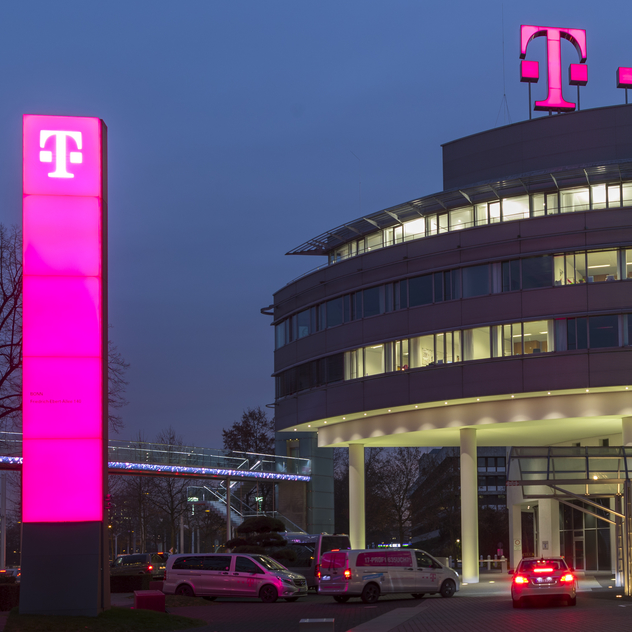
Deutsche Telekom is now testing this solution at its headquarters in Bonn and is working with an open partner ecosystem to develop the solution further. Key partners so far include Cohere Technologies and Mavenir.
Perhaps unsurprisingly, Samsung, Ericsson, Nokia, and Huawei do not seem to be backing the vRAN excitement but are instead further committing to system on a chip (SoC) development.
vRAN may not yet be a reality, but if solutions like this one continue to develop they will quickly overcome the current criticisms facing O-RAN solutions, making them a viable alternative to the offerings of key vendors.
In a world where much of the focus has been on virtualising the core, vRAN could quietly become the next big disruptor.