

News
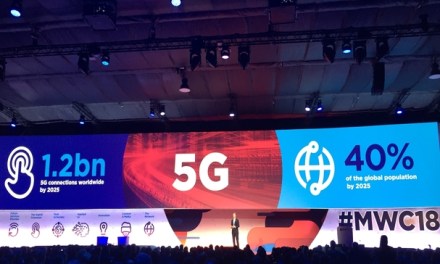
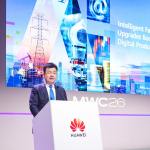
The momentous cancellation of Mobile World Congress (MWC) at the start of the this year marked the start of a tumultuous time for the whole of the telecoms industry
When the GSMA begrudgingly cancelled MWC at the start of the year, the industry surely had no idea of the scale of the disruption they were about to face at the hands of the coronavirus pandemic. The industry pivoted as best it could, some sectors more successfully than others, but none could escape the huge disruption, the fallout from which we are only now beginning to understand.
But, for the GSMA, the damage was already done. MWC was by far the organisations largest event and moneymaker, with Bloomberg reporting that it accounted for up to 80% of the Association’s annual revenue.
Now, the GSMA has confirmed that its tough financial situation has resulted in the loss of around 20% of their staff, which originally numbered around 1,000 people.
Cost cutting measures have been drastic across the company, with spending budgets reportedly reduced by 40% and bonuses slashed. At the time of MWC’s cancellation, there was much speculation as to whether the GSMA would even survive the pandemic, but it seems these measures have been enough to keep the Association afloat.
However, the financial wounds from such a major event cancellation will take a long time, with the GSMA’s CMO Stephanie Lynch-Habib suggesting that recovery could take three years.
On a positive note, Lynch-Habib did confirm that MWC 2021 is planned to go ahead, albeit with a large amount of remote participation planned, given that social distancing will likely need to be maintained.
The GSMA is also launching a digital event called GSMA Thrive in July, replacing MWC Shanghai which followed MWC proper into cancellation back in April.
Also in the news:
Today’s headlines from The 5G Daily
Telefonica slashes emissions targets by 20 years in new push to go green
UK needs Huawei for 5G lead, says Vodafone