

News
The social media platform said it would remove unverified claims if they pushed people to act in a disruptive way
Conspiracy theories linking the disease to 5G have become rife in recent weeks and, sadly, they show no sign of stopping.
Part of the problem is the echo chamber effect that social media sites like Twitter and Facebook can create, with private groups and hashtags like #5GKills proving a dangerous vector for spreading misinformation.
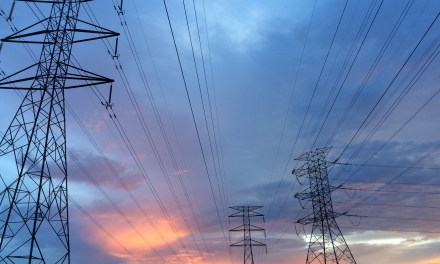
In itself, these theories may seem harmless enough, but the past weeks have seen them rapidly escalate into arson attacks on 5G sites around Europe, as well as verbal and physical abuse of engineers working hard to maintain various networks.
Now, Twitter has taken the step to remove tweets that could promote criminal action.
Banned tweets include those containing "unverified claims that incite people to action, could lead to the destruction or damage of critical infrastructure, or could lead to widespread panic, social unrest, or large-scale disorder," said a statement from Twitter.
Facebook also said at the start of this month that it would be taking a stricter approach to those spreading coronavirus misinformation, but it would not go so far as to ban misleading posts. Instead, Facebook has the posts assessed by an independent fact-checker and, if it is indeed misinformation, Facebook will label the post as such, reduce its visibility, and encouraging people not to share them. This also includes sending notifications to people who have interacted with such posts, directing them to coronavirus ‘mythbusting’ pages, in an effort to educate people about false information.
However, there is concern in some groups that by re-exposing people to these conspiracy theories, even when intending to debunk them, can in fact reinforce the beliefs.
Naturally, any time censorship is being considered it is accompanied by a well-warranted discussion of civil liberties, with Facebook taking a much more gentle approach than Twitter when it comes to 5G misinformation. But with network infrastructure now more important than ever for keeping people connected to vital health services, is Facebook’s light touch going to be enough to limit the damage of these dangerous and unfounded beliefs?
Also in the news: